Photo by Tom Rogers, © Lake Champlain Committee

Cyanobacteria
Cyanobacteria blooms are a significant issue in Lake Champlain and can pose health risks to people and pets. Blooms can vary widely in appearance, making awareness and monitoring especially important. Learn how to recognize blooms and consider joining our cyanobacteria monitoring program.

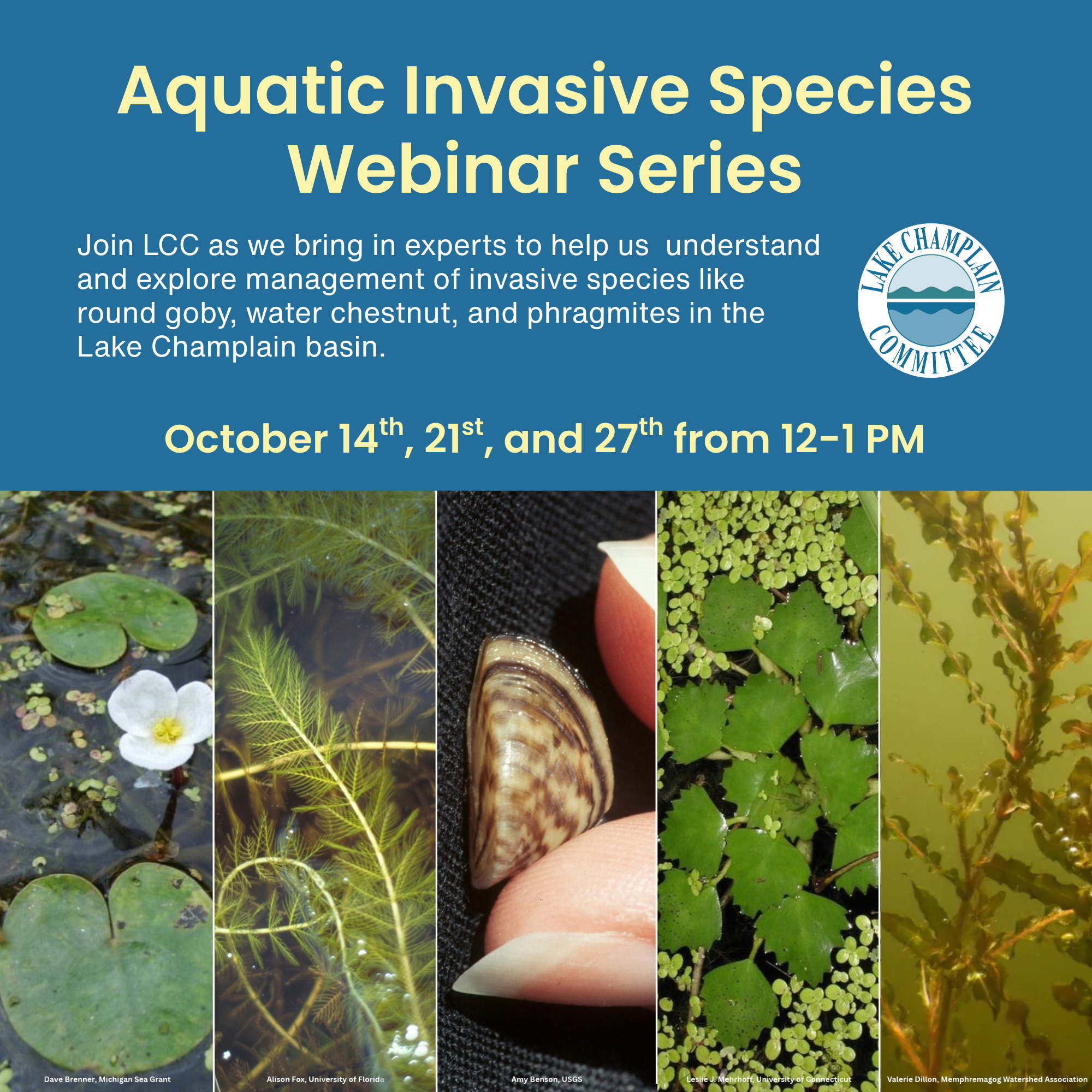
Aquatic Invasive Species
Invasive species pose a major threat to the lake's ecological health and recreational access. Through LCC's Champlain Aquatic invasive Monitoring Program (CHAMP), we train and support volunteers to survey and report on invasive species in the lake.

Volunteer
Volunteers are the heart and soul of the Lake Champlain Committee. Our community science monitoring programs, the Lake Champlain Paddlers' Trail, and education and outreach work would not be possible without the help of dedicated folks that share a love for Lake Champlain and a passion to protect it.
LCC is a bi-state nonprofit that uses science-based advocacy, education, and collaborative action to protect and restore water quality, safeguard natural habitats, foster stewardship, and ensure recreational access.

E-news
LCC's quarterly e-newsletter gives you access to news and updates on Lake Champlain and our work for a healthy lake.
News
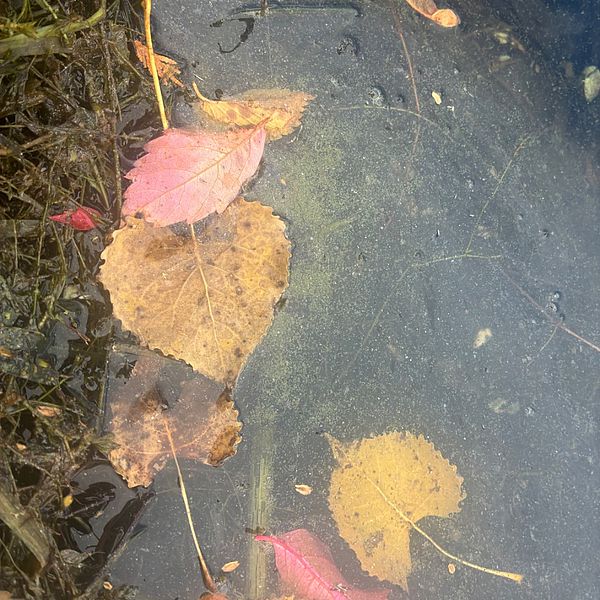
LCC Week 17 2026 Cyano. Monitoring Report - 10/4-10/10
Posted 10/16/26
As autumn colors linger along the shoreline, cyanobacteria bloom reports continue to decline across Lake Champlain. This week, just four of the 70 reports submitted for Lake Champlain documented bloom conditions, all of which were low alerts. The…
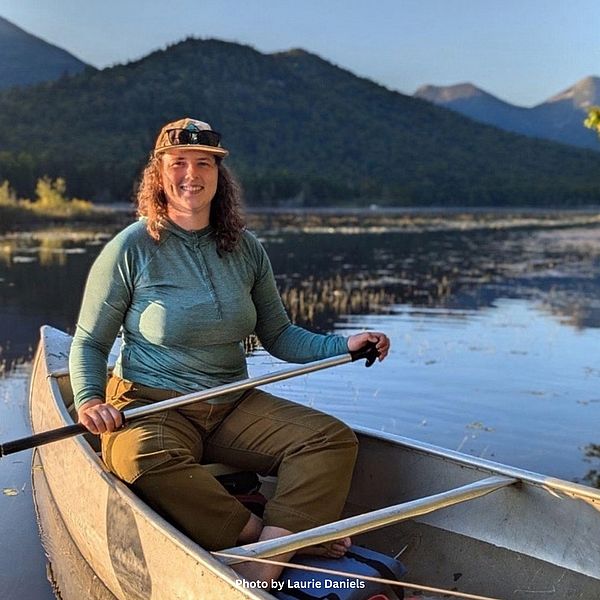
Meet Maddy Schumacher, LCC’s New York Education & Field Engagement Associate!
Posted 10/9/26
Maddy Schumacher, MSc (she/her), joined the Lake Champlain Committee (LCC) this September as the New York Education & Field Engagement Associate. Maddy lives in the Adirondacks High Peaks region and has over a decade of experience working in and…
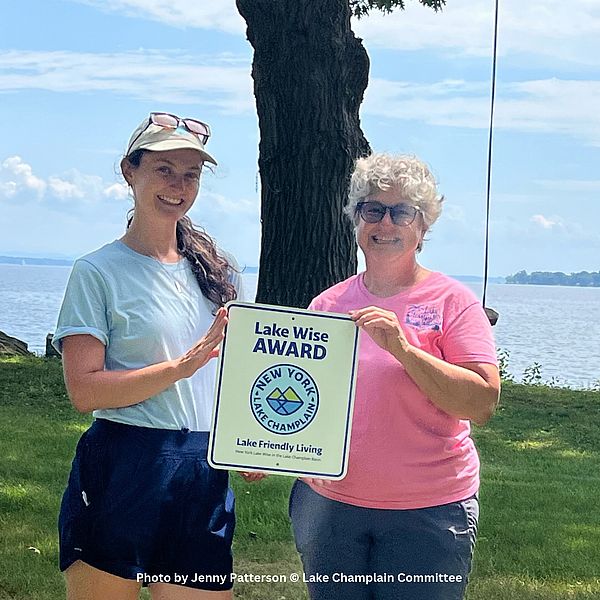
First Lake Wise Awards Granted on the New York Shores of Lake Champlain
Posted 10/9/26
In August, LCC assessed two properties in Chazy, NY that were the first in the state to earn Lake Wise awards! Lake Wise is a free program where waterfront properties are assessed for lake-friendly practices and receive technical assistance.…